
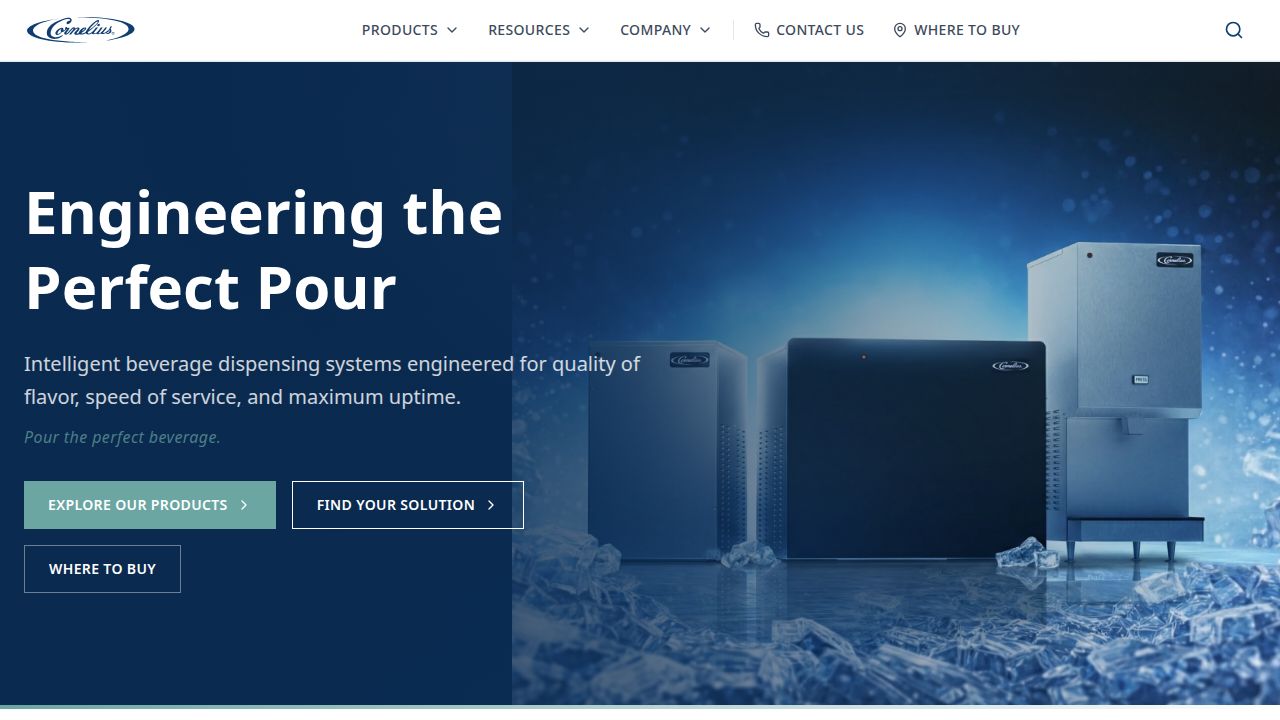
Soda fountain equipment: Core components
Typical systems use water filtration, a carbonator, CO₂ regulation, pumps, syrup packages, a cold plate or chiller, beverage lines, and a dispenser. Ice-and-beverage units add ice storage and dispensing. The exact configuration depends on volume and available utilities.
Plan for the site
Measure the footprint and verify electrical, water, drainage, ventilation, and counter requirements. Determine where syrup and cylinders will be stored and how technicians will reach components. Mobile systems need secure transport and a stable setup at each service location.
Match capacity and support
Size equipment for peak demand, not average traffic alone. Ask who installs, calibrates, trains staff, supplies parts, and handles warranty work. A system with local service support may be more valuable than unfamiliar equipment with limited parts availability.
Protect drink quality
Follow manufacturer and health guidance for cleaning beverage lines, nozzles, ice bins, drains, and surrounding surfaces. Water quality, temperature, ratios, and pressure should be checked when taste or carbonation changes.
Build a practical comparison
A useful comparison starts with the same assumptions for every option. Define the expected service volume, preparation workflow, space, utilities, storage, staffing, timing, and customer experience before requesting a quote or committing to a provider. This keeps a single attractive feature from obscuring a mismatch elsewhere in the operation.
Compare total operating impact, not only an advertised price. Delivery, installation, accessories, minimum orders, training, maintenance, travel, waste, and the cost of downtime can all change the practical value of a choice. Keep notes in one place, then confirm material details directly with the business that will provide the product or service.
Plan the real workflow
Test the complete workflow under realistic conditions before relying on it for a launch, event, or busy service period. Include setup, storage, preparation, handoff, cleaning, restocking, and breakdown. A plan that works during a quiet test can fail when several customers arrive at once or when access, power, ice, staffing, or delivery timing changes.
Document the routine in plain language so staff and partners know what good execution looks like. Written recipes, checklists, product identifiers, service contacts, and approved alternatives make the operation more consistent and make a problem easier to solve. Revisit the plan after actual service and update it using observed constraints rather than assumptions.
Common mistakes to avoid
Avoid treating a brand name, a menu photo, or a short package description as proof that an option fits your needs. Availability, formulas, service areas, technical specifications, and commercial terms can change. Confirm the exact product, format, service date, scope, and support arrangement before spending money or making commitments.
SodaPages provides directory research and editorial guidance, not product testing, legal, regulatory, financial, or investment advice. Use the linked categories and business profiles to identify relevant options, then verify current capabilities and requirements directly with providers, venues, agencies, and qualified advisers where appropriate.
Soda fountain equipment decision checklist
Before committing, make a short brief that reflects the actual location, service format, volume, timing, and constraints involved. Ask providers to confirm the details that affect the decision in writing, and retain the current quote, product information, service scope, and support contact with the operating notes.
- Core components. Record the specific requirement, the responsible party, and a practical fallback if this part of the plan changes.
- Plan for the site. Record the specific requirement, the responsible party, and a practical fallback if this part of the plan changes.
- Match capacity and support. Record the specific requirement, the responsible party, and a practical fallback if this part of the plan changes.
- Protect drink quality. Record the specific requirement, the responsible party, and a practical fallback if this part of the plan changes.
The purpose is to make the decision repeatable and protect the customer experience. Recheck the brief when the project changes, especially before placing a large order, booking an event, or signing an agreement.
Frequently asked questions
Is a fountain one machine?
No. It is a connected system of water, carbonation, cooling, syrup, pressure, lines, dispensing, ice, drainage, and sanitation.
How should capacity be planned?
Consider peak demand, not only average traffic. Confirm the equipment, ice, storage, and service plan can handle busy periods.
Who should service the system?
Use a qualified provider familiar with the installed equipment and local service coverage. Confirm responsibilities before purchase.
Related resources
Use these SodaPages directory categories and guides to continue researching this topic. Verify current service area, availability, terms, and fit directly with each business before making a decision.